Feng Shui Guide for Your Home: Easy Tips to Bring Balance, Energy & Harmony
There is something enchanting about walking into a home that feels right. You may not immediately notice why — perhaps the furniture placement seems natural, the light flows beautifully, the atmosphere feels calm, or there’s a sense of spaciousness you can’t quite explain. Interiors like these have a special harmony, a balance that quietly supports the people who live in them.
This sensation often has roots in Feng Shui, the ancient Chinese art of arranging environments to support harmony, energy flow, and well-being. While many people associate Feng Shui with superstition or overly rigid rules, the truth is far simpler — and far more design-friendly.
At its core, Feng Shui is about how a space makes you feel, and how thoughtful design can shift the energy of a room.
More and more Indonesian homeowners are interested in learning about how to bring Feng Shui principles into their homes — not because they’re following tradition, but because they want spaces that feel more intuitive, more balanced, and more alive.
This guide blends the wisdom of Feng Shui with modern interior design, giving you practical, beautiful ways to introduce harmony into your home.
What Exactly Is Feng Shui? (And Why Designers Love It)
Feng Shui literally translates to “wind” (feng) and “water” (shui) — two natural forces that move freely and bring life to their surroundings. The philosophy behind Feng Shui is simple: when energy (known as qi) flows smoothly through a home, the people inside feel calmer, clearer, and more supported.
In modern design terms, Feng Shui aligns closely with:
- Circulation flow
- Balance of shapes and materials
- Thoughtful furniture placement
- The psychology of space
- And connection with nature.
Interestingly, many principles of Feng Shui mirror what contemporary architects and interior designers already practice — which is why it feels so natural to integrate into modern day homes.
Fun fact: Top luxury hotels — Aman, Rosewood, The Upper House — quietly use Feng Shui-informed layouts because guests consistently report feeling more at ease in these spaces.
1. The Entryway: Where All Energy Begins
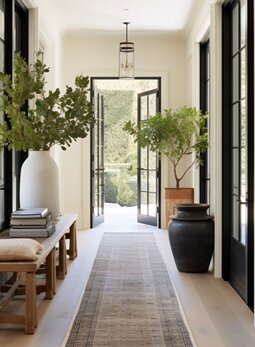
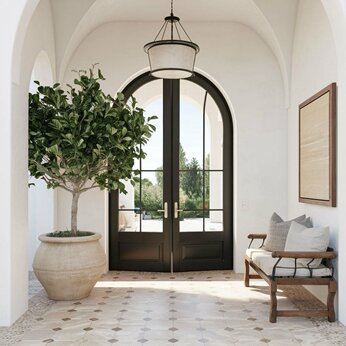
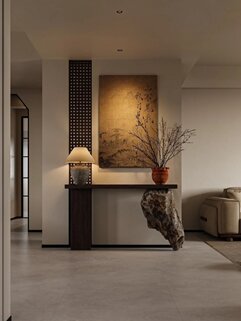
In Feng Shui, the entrance is called the Mouth of Qi — the place where energy enters the home. Think of it like a first impression. If your entryway is cluttered, cramped, or dark, the rest of the house feels heavy. If it’s open, bright, and welcoming, the whole home feels uplifted.
How to create balanced entry flow
A good entryway should:
- Feel open and spacious
- Have a clear path inward
- Offer a surface (console table) to place small essentials
- Include gentle lighting
- And give a sense of welcome.
Clients often underestimate how powerful a single beautiful rug, a vase with greenery, or a well-placed mirror can be in this area.
Feng Shui Tip: Avoid placing a mirror directly facing the front door. In Feng Shui, this reflects energy back out instead of allowing it to circulate inside. Instead, place the mirror on a side wall — this keeps the space open while still making it feel larger.
2. Living Room: The Heart of Connection
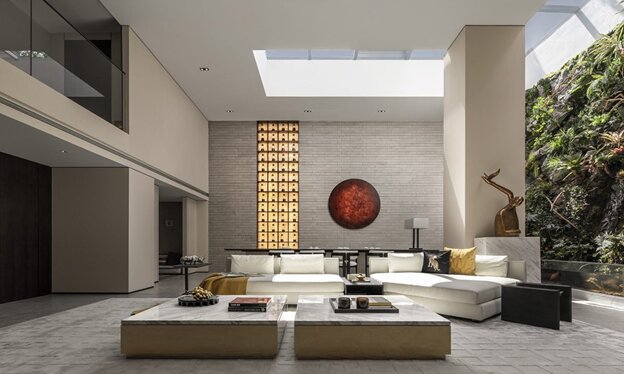
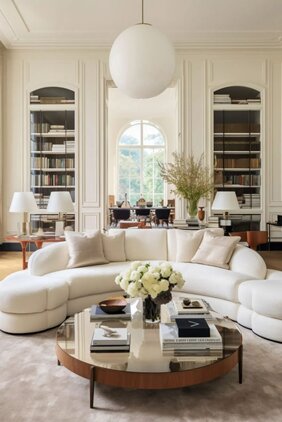
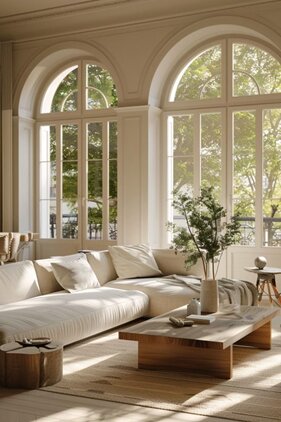
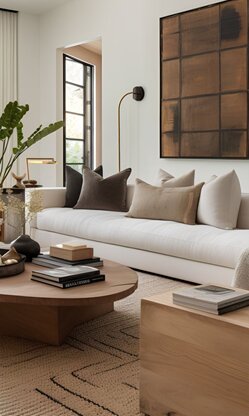
A living room arranged with Feng Shui in mind feels comfortable the moment you sit down. The seating invites conversation. The flow feels natural. The room encourages rest instead of overstimulation.
The Command Position
One of the key Feng Shui ideas is the command position — placing the main piece of furniture (usually the sofa) where you can see the entrance without being directly in line with it. This creates a sense of security, better conversation flow, and a more natural gathering space.
Fun Fact: Studies in environmental psychology show that people instinctively prefer sitting where they can see entrances — it’s linked to our brain’s desire for awareness and safety.
Balance the room with “yin” and “yang” elements
In design language:
- Yang = bright, energetic, active elements (light, metal, angular shapes)
- Yin = soft, calming, grounding elements (fabric, curves, warm materials)
A living room with only yang feels harsh. A room with only yin feels sleepy. Intentional interiors — like those with soft curved sofas, warm neutrals, mixed textures — naturally achieve a yin-yang balance.
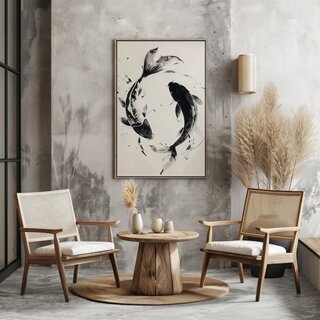
Feng Shui Tip: Avoid placing a large sofa directly under a floating cabinet or heavy shelving — it creates visual pressure. Opt instead for a piece of art or a soft wall treatment behind the main sofa.
3. Dining Room: A Place of Nourishment and Togetherness
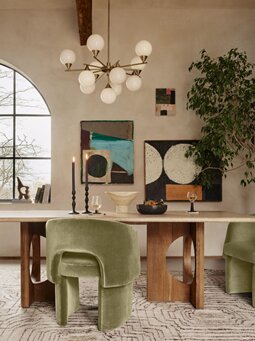
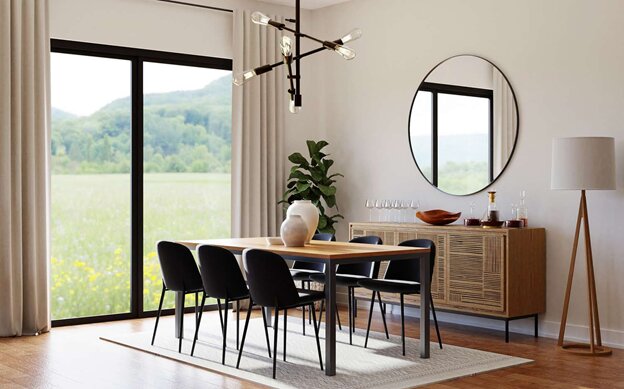
The dining room holds special importance in Feng Shui because it symbolizes nourishment, abundance, and social connection. This is why the shape of your dining table matters:
Round and Oval Tables
These shapes promote smoother conversation flow and more inclusive gatherings. There’s no “head of the table,” no dominant position. Just ease.
Rectangular Tables
Excellent for creating structure, especially in long or open-plan spaces. They carry strong, grounding energy.
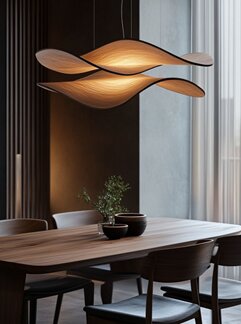
Feng Shui Tip: Place a soft, warm light (pendant or chandelier) directly above the table. Lighting that’s too wide or too high allows energy to disperse. Lighting that’s centered creates a natural gathering focal point.
Fun Fact: Many Michelin restaurants use round or oval tables for couples and small groups because people feel psychologically more comfortable and emotionally connected at curved tables.
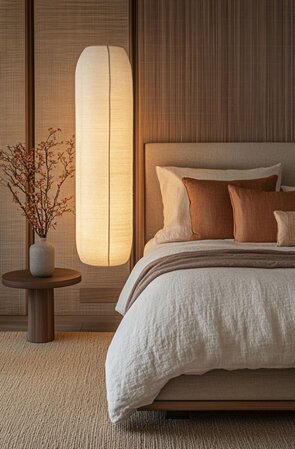
4. Bedroom: Your Restorative Sanctuary
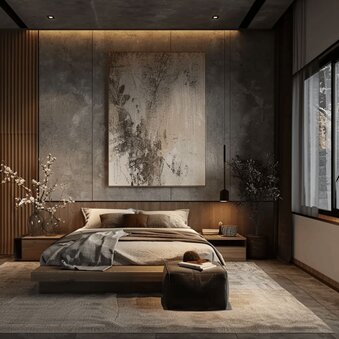
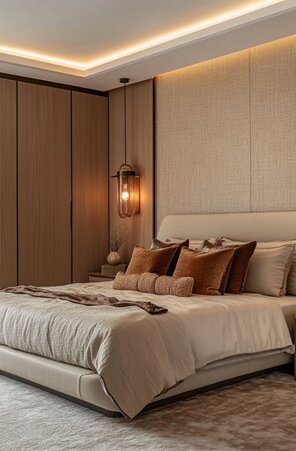
Perhaps no room benefits more from Feng Shui than the bedroom. The goal here is to create a cocoon — a space that supports rest, intimacy, and emotional calm.
The best bed placement
Ideally, your bed should:
- Face the door (not directly aligned with it)
- Have a solid wall behind the headboard
- Avoid being under heavy beams or cabinets.
This placement is believed to support deeper sleep because the body feels both supported (behind) and aware (towards the door).
Color & material choices matter
Bedrooms thrive under yin elements:
- Soft fabrics
- Rounded furniture edges
- Warm neutral tones
- Natural wood
- Minimal electronics
- Layered textures
Clients often notice an immediate shift in sleep quality once they declutter the space and introduce more softness.
Feng Shui Tip: Avoid using mirrors that face the bed. Even if you don’t believe in the spiritual reasoning, from a design standpoint, reflections can be visually stimulating and disrupt sleep.
5. Home Office: The Energy of Clarity and Focus
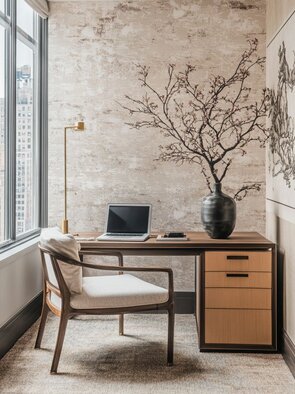
In Feng Shui, the home office governs how ideas flow, how work gets done, and how success progresses. The goal is to create a space where your mind feels open, supported, and quietly energised.
Desk placement
Place the desk in the command position:
- Facing the room
- With your back near a wall or solid surface
- With visibility of the entrance
- But not directly aligned with the door.
This simple shift creates a sense of mental alertness.
Feng Shui Tip for Productivity
Add a plant with upward-growing leaves (like bamboo or a ZZ plant). Upward growth symbolizes momentum — a principle shared in modern biophilic design.
Scent matters
Fresh notes increase alertness; warm notes calm overstimulation. Scented candles and diffusers allow clients to “set the tone” of the day with scent — a sensory principle very aligned with Feng Shui.
6. Choosing Décor with Intention
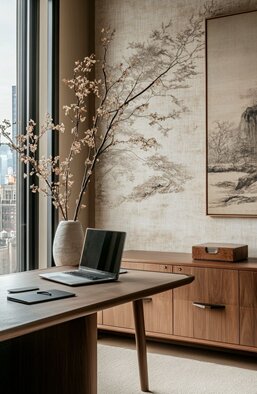
Feng Shui encourages mindful curation, not clutter. This aligns perfectly with quiet luxury interiors, which emphasise quality, texture, and intentionality.
Choose décor that feels alive
- Plants
- Ceramics
- Sculptures
- Books
- Candles
- Tactile objects
These pieces create movement and softness.
Use art with thoughtful symbolism
Abstract art with flowing lines, soft forms, or nature elements supports calmness. Harsh, aggressive imagery can subtly affect mood.
Mirrors are powerful — use them wisely
Mirrors amplify whatever they face:
- Facing a window = amplifies natural light
- Facing clutter = amplifies chaos
- Facing dining table = considered auspicious (symbolizes abundance)
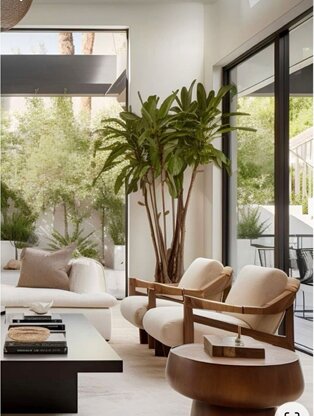
7. Decluttering Isn’t Just Aesthetic — It’s Energetic
One of the most surprising aspects of Feng Shui is how closely it aligns with modern neuroscience. Studies show that clutter:
- Increases cortisol levels
- Slows cognitive processing
- And worsens mood regulation.
From a Feng Shui perspective, clutter blocks qi. From a design perspective, it blocks flow and visual calm. Clearing a surface — even a single shelf — can change the feeling of a room instantly.
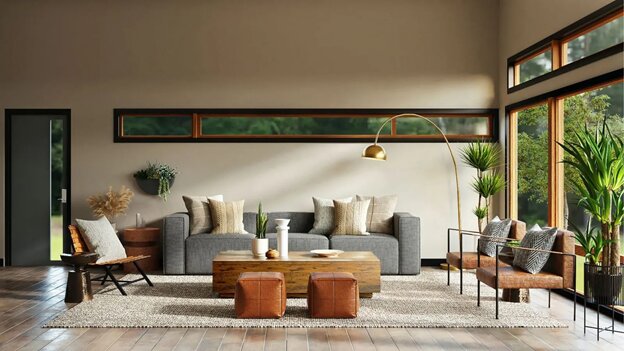
8. Lighting: The Mood Defining Element
Feng Shui emphasises natural light as the highest form of positive energy. Where natural light is limited, warm lighting becomes essential.
Soft lighting:
- Grounds the room
- Reduces visual sharpness
- Enhances comfort
- And improves emotional well-being.
This is why our most discerning clients often integrate:
- Warm table lamps
- Diffused sconces
- Candles
- Layered lighting instead of harsh overhead bulbs.
A home illuminated warmly feels instantly more harmonious.
Your Home as a Living, Breathing Space
Feng Shui is often misunderstood as superstition or overly strict rules. But when you strip it down to its essence, it becomes a design philosophy rooted in intuition, emotional well-being, and balance.
It asks simple questions: Does this room flow? Do I feel grounded here? Does the space calm me or overstimulate me? Does the layout support connection or isolation? Does the home reflect who I want to be?
When your home answers “yes,” harmony follows.
Your space begins to support you — not just visually, but emotionally and energetically.
We at Melandas are ready to help you create a balanced, beautiful home that feels good the moment you step inside. Our consultants would be delighted to help you explore layouts, furniture choices, and décor pieces that bring harmony and flow into your space.